Red

Night photo, monochrome. Zealand, August 2016.
My contribution to Leanne Cole‘s fantastic Monochrome Madness next week.

Newly married
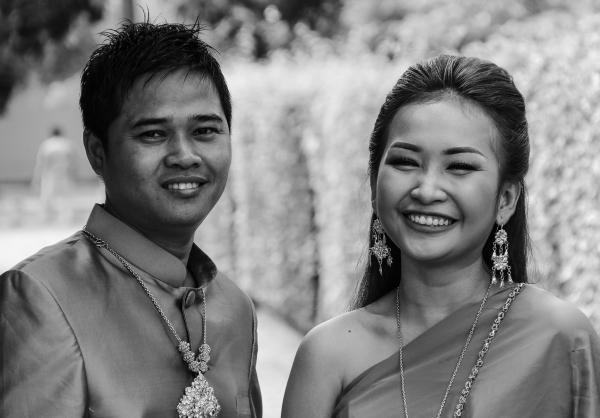
Cambodia. March 2017.
Village People – The policeman

Thpong Village – Family house

An important contribution to improving the living standards for impoverished farmers is to build and improve the homes for village families.
Thpong Village, Kampong Speu Province, Cambodia. March 2017.

In this province we visited people in Thpong village, which have been helped and supported by Life With Dignity (LWD).
Life With Dignity works with “Rural Development through Empowerment Programs. These programs are designed to empower the communities to improve the living standards for impoverished farmers, families without land, female-headed households, impoverished rural children, HIV affected populations as well as commune councils
Read more about their projects here.
We visited families who told us about and showed us what the LWD NGOs had been working with in this village.
More about LWD and Thpong village in my following posts. Including portraits of some of the great village people, we met there 🙂
Thpong Village – The merchant

An important contribution to improving the living standards for impoverished is to help village residents to create their own micro-banks – so The merchant here can establish and develop his own business.
Thpong Village, Kampong Speu Province, Cambodia. March 2017.
In this province we visited people in Thpong village, which have been helped and supported by Life With Dignity (LWD).
Life With Dignity works with “Rural Development through Empowerment Programs. These programs are designed to empower the communities to improve the living standards for impoverished farmers, families without land, female-headed households, impoverished rural children, HIV affected populations as well as commune councils
Read more about their projects here.
We visited families who told us about and showed us what the LWD NGOs had been working with in this village.
More about LWD and Thpong village in my following posts. Including portraits of some of the great village people, we met there 🙂
Thpong Village – Women Meeting
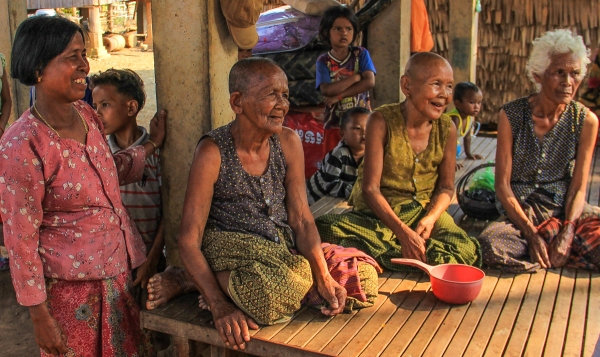
Thpong Village, Kampong Speu Province, Cambodia. March 2017.
In this province we visited people in Thpong village, which have been helped and supported by Life With Dignity (LWD).
Life With Dignity works with “Rural Development through Empowerment Programs. These programs are designed to empower the communities to improve the living standards for impoverished farmers, families without land, female-headed households, impoverished rural children, HIV affected populations as well as commune councils
Read more about their projects here.
We visited families who told us about and showed us what the LWD NGOs had been working with in this village.
More about LWD and Thpong village in my following posts. Including portraits of some of the great village people, we met there 🙂
Thpong Village – Men Meeting
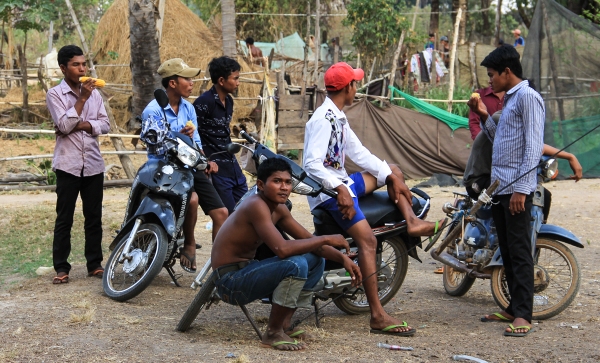
Thpong Village, Kampong Speu Province, Cambodia. March 2017.
In this province we visited people in Thpong village, which have been helped and supported by Life With Dignity (LWD).
Life With Dignity works with “Rural Development through Empowerment Programs. These programs are designed to empower the communities to improve the living standards for impoverished farmers, families without land, female-headed households, impoverished rural children, HIV affected populations as well as commune councils
Read more about their projects here.
We visited families who told us about and showed us what the LWD NGOs had been working with in this village.
More about LWD and Thpong village in my following posts. Including portraits of some of the great village people, we met there 🙂
Thpong Village – Farming Development

An important contribution to improving the living standards for impoverished farmers is to improve cultivation methods and tools in agriculture.
Thpong Village, Kampong Speu Province, Cambodia. March 2017.
In this province we visited people in Thpong village, which have been helped and supported by Life With Dignity (LWD).
Life With Dignity works with “Rural Development through Empowerment Programs. These programs are designed to empower the communities to improve the living standards for impoverished farmers, families without land, female-headed households, impoverished rural children, HIV affected populations as well as commune councils
Read more about their projects here.
We visited families who told us about and showed us what the LWD NGOs had been working with in this village.
More about LWD and Thpong village in my following posts. Including portraits of some of the great village people, we met there 🙂
Thpong Village
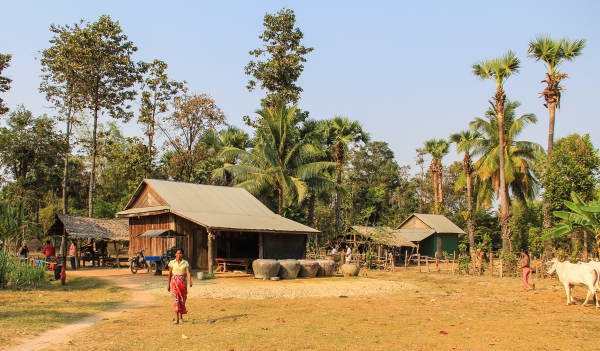
Thpong Village, Kampong Speu Province, Cambodia. March 2017.
In this province we visited people in Thpong village, which have been helped and supported by Life With Dignity (LWD).
Life With Dignity works with “Rural Development through Empowerment Programs. These programs are designed to empower the communities to improve the living standards for impoverished farmers, families without land, female-headed households, impoverished rural children, HIV affected populations as well as commune councils
Read more about their projects here.
We visited families who told us about and showed us what the LWD NGOs had been working with in this village.
More about LWD and Thpong village in my following posts. Including portraits of some of the great village people, we met there 🙂





 Truels' Blog